

Rain Happens: How Your Community is Built to Handle It
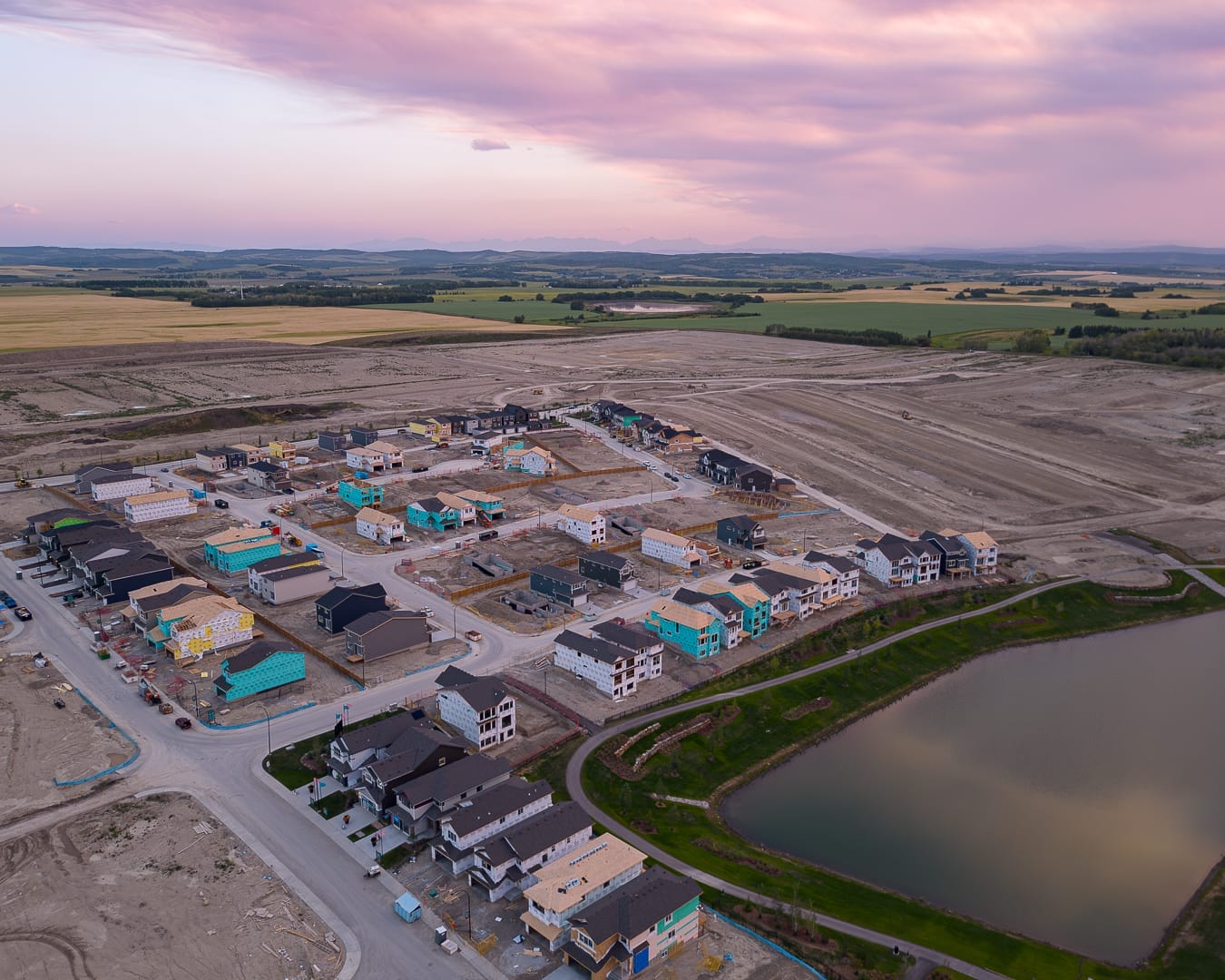
It’s been a rainy summer in Calgary and surrounding areas, and we know many residents are wondering how all that water is managed—and how communities are designed to keep their homes safe.
In this blog, we’ll break down the basics of how stormwater systems work, how lot grading and home foundations are designed with water in mind, and why these elements matter when the skies open up. Think of it as a behind-the-scenes look at how your community is built to protect your home, your investment, and the critical infrastructure we all rely on—especially when it rains.
1. The Foundation of a Home
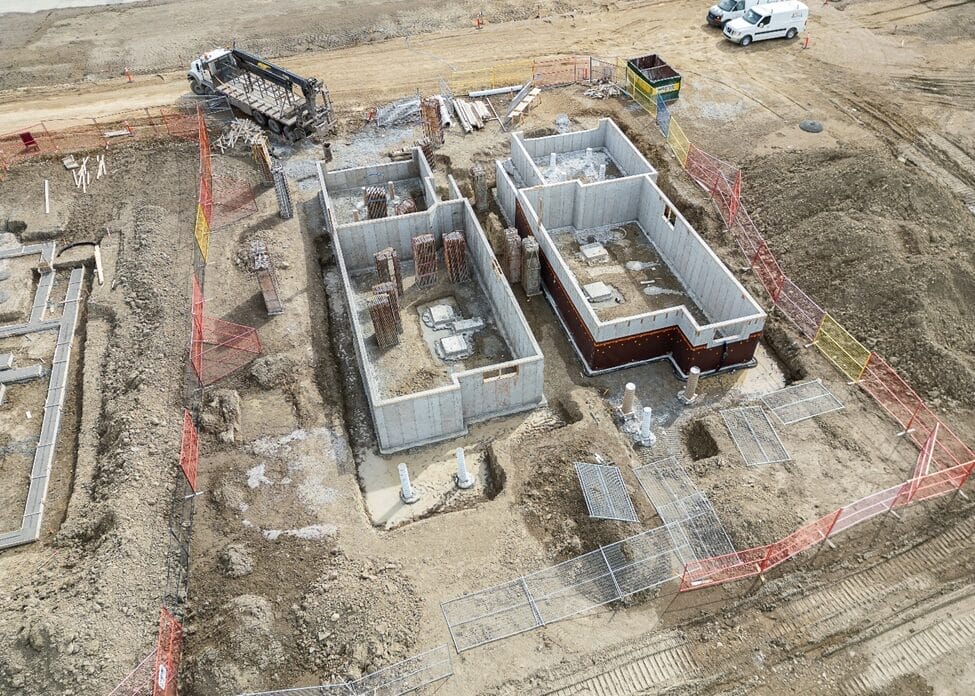
When it comes to keeping water out of your home, especially during heavy rainfall, there’s more going on than meets the eye. A combination of smart exterior features and thoughtful foundation design work together to protect your space from unwanted moisture. Here’s a breakdown of some key elements that help keep your home dry—even during a downpour:
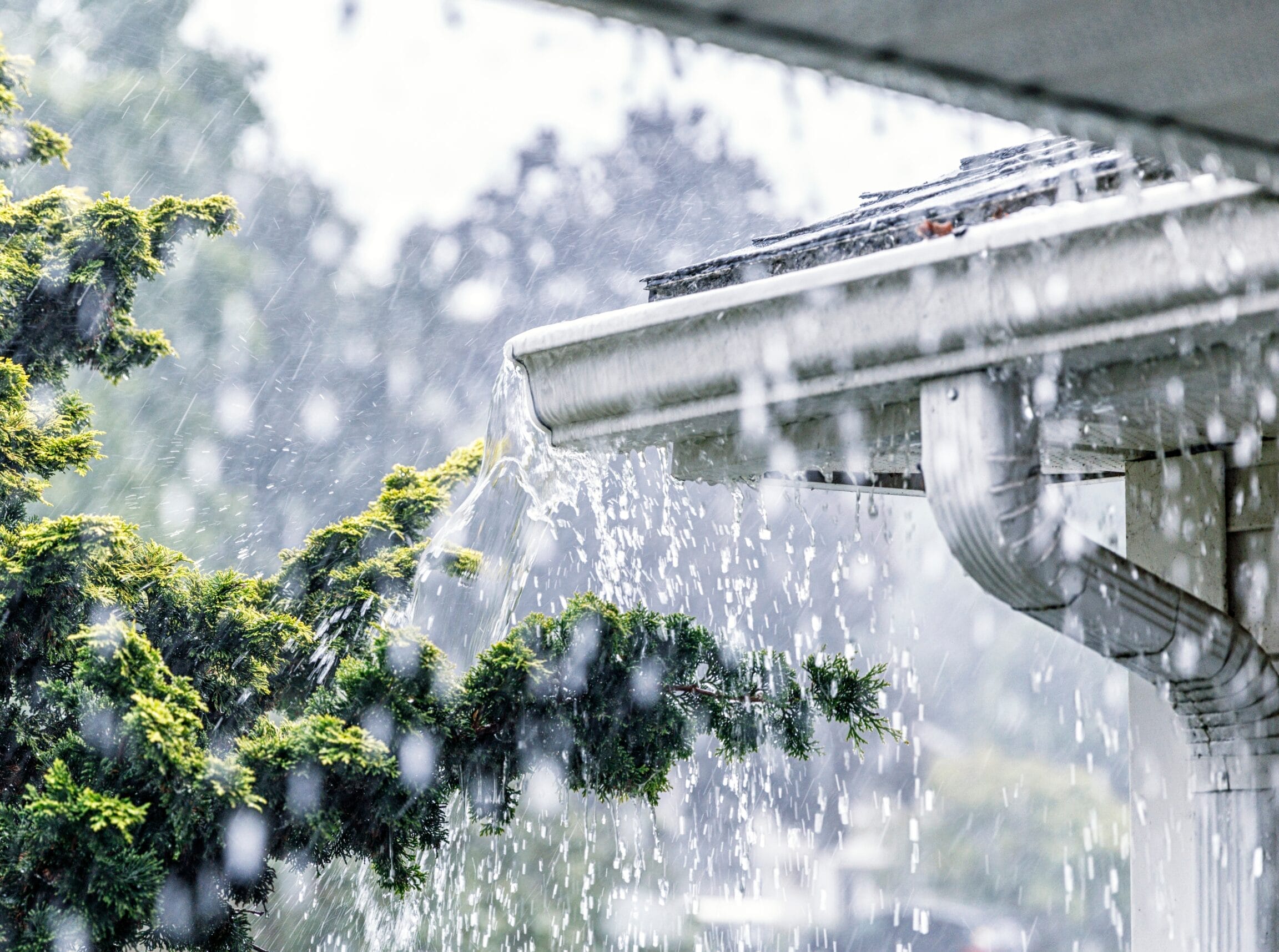
- Gutters and downspouts run along the roofline, collecting rainwater and directing it safely away from your home’s walls and foundation.
- Foundation damp proofing—often a tar-like coating applied to the exterior of the foundation—acts as a barrier to help prevent moisture from seeping into the walls.
- Gravel and weeping tile, located around the base of the foundation, collect any water that makes its way down to the footings. Weeping tile, which is a type of drainage pipe, directs the water to a storm drain or sump pump system, moving it safely away from your home. It can also be found around basement windows to add another layer of protection in those more vulnerable spots.
- Backflow prevention valves are another important line of defense, allowing water to exit your property while stopping it from coming back in—especially during heavy storms.
- Final grading plays the most crucial role in your home’s overall drainage strategy. By shaping the land to slope away from the foundation, it helps direct the bulk of rainwater away from your home. (We’ll dig into this more in the next section)
Every home and lot is unique, and the way water is managed can vary from one property to another. It is always a good idea to check with your builder to understand how your home is specifically designed to prevent flooding and manage water effectively.
2. Final Lot Grading: Its Function and Purpose
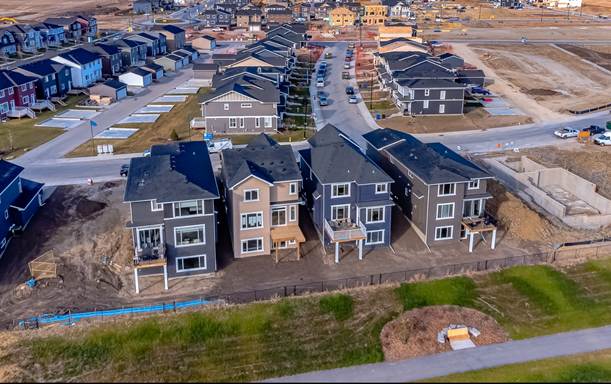
One of the most important pieces of the stormwater design is final grading—the shaping of the land around your home to make sure water flows away from it. This step helps direct rainwater toward the right places, like swales and streets, where it can safely enter the stormwater system.
Final grading is completed by your home builder after rough grading (the initial sloping of the lot) has been approved. When done correctly, it plays a major role in protecting your home from flooding and moisture-related damage by ensuring that surface water flows away from the foundation. From there, water is guided toward swales, storm drains, trap lows, and storm ponds—critical parts of your community’s drainage infrastructure.
If you’re unsure about your home’s final grade or think something might not be quite right, the best place to start is by contacting your builder. They’ll have the most accurate and up-to-date information about your lot.
Once final grading is in place, landscaping becomes the homeowner’s responsibility—and it’s important to keep in mind that this encompasses more than just curb appeal. A well-designed yard helps support proper drainage. Think of features like plants, mulch, or permeable surfaces such as certain types of asphalt or pavers, which can absorb or redirect water, reducing the risk of pooling or erosion.
3. Stormwater System: What Is It and Why Is Its Function Important?
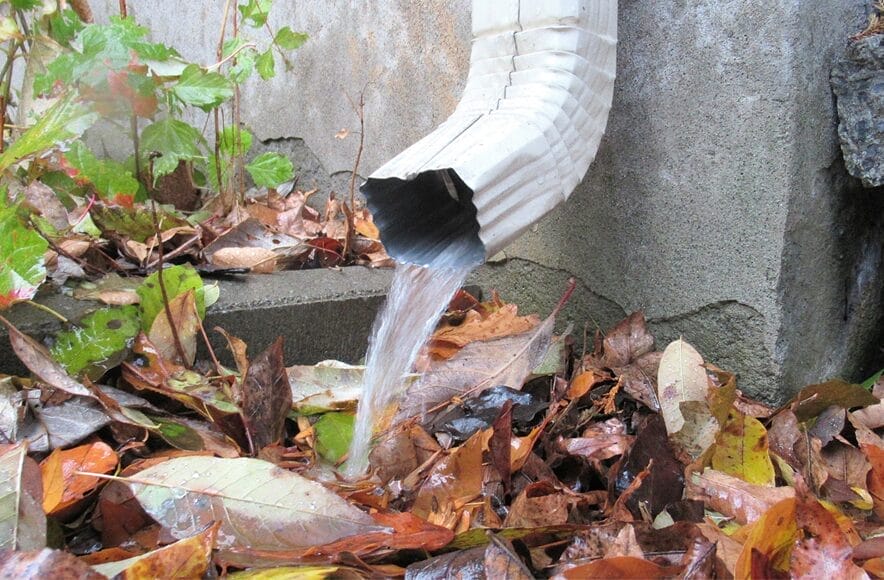
The stormwater system is a key piece of infrastructure that helps manage rainwater in our communities. It’s made up of a mix of underground components—like pipes—and above-ground features such as storm ponds, catch basins, and swales. Together, they work to safely move water away from homes, streets, and other developed areas, guiding it back into the environment in a controlled and responsible way.
In natural landscapes, rainfall is absorbed slowly by soil and vegetation. But in urban areas, where concrete and other hard surfaces have replaced much of that natural ground, the stormwater system steps in to handle the water that can no longer be soaked up naturally. The system’s job is to prevent flooding, protect water quality, support the recycling of water, and minimize harm to the environment—all while making sure water flows at a safe and manageable rate.
Both the rate and volume of water entering the stormwater system are critical. If the system gets overwhelmed, we can run into a few serious problems:
- Flooding and property damage: Too much water in the system can cause it to back up, leading to flooded basements, waterlogged streets, damaged buildings, and even eroded roads.
- Water quality concerns: Rainwater can pick up sediment and debris from roads, parks, and construction sites. If water enters the system too quickly, it carries that sediment with it, which can reduce water quality, harm aquatic habitats, and clog the system.
- Rapid runoff risks: When water moves too quickly through the system, it can increase runoff and cause erosion. Slowing down the flow helps reduce these risks and better protects both infrastructure and the environment.
4. Elements Contributing to the Stormwater System
When it rains, water doesn’t just disappear—it moves through a carefully designed network that keeps communities safe and dry. Each part of the stormwater system has a specific role, and together they manage water flow, reduce flooding risks, and protect the environment.
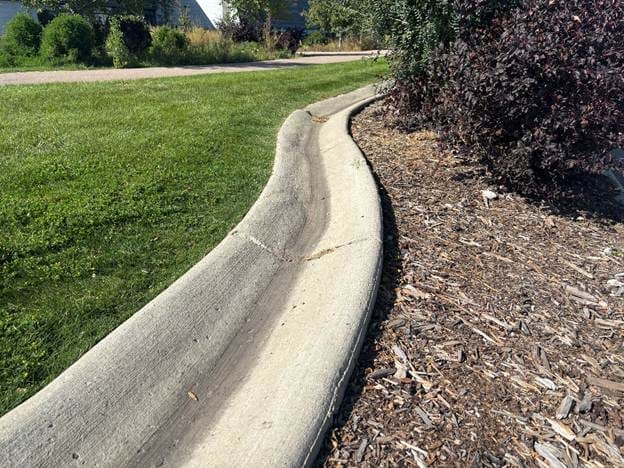
Swales are one of the first features you might notice. These shallow, gently sloped channels run through green spaces, along sidewalks, or between properties. Their job is to guide rainwater away from homes and toward other parts of the system. By slowing the flow of water, swales give it time to soak into the ground, filter naturally, and prevent erosion.
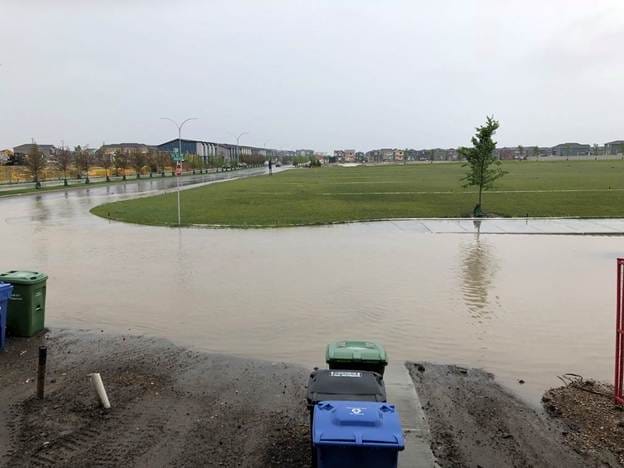
Trap lows are another important feature. These low-lying areas are designed to temporarily hold rainwater after a storm. While it may look like water is just pooling, trap lows are doing their job—preventing the system from being overwhelmed by releasing water slowly into nearby catch basins. Water may sit in a trap low for several hours and, in some cases, up to 24 hours before draining away.
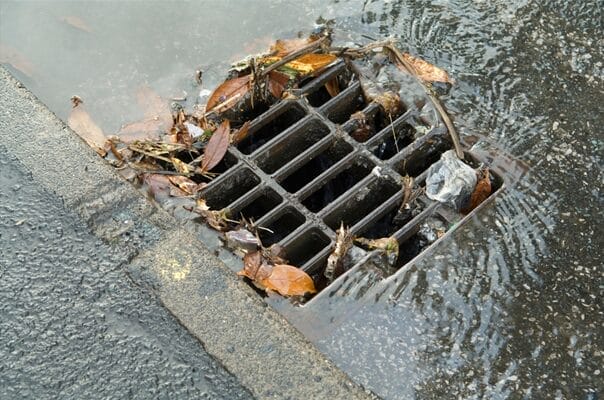
Catch basins are those grated openings along curbs and roadways that collect rainwater and runoff. Beneath the grate is a chamber that holds water briefly and captures debris such as leaves, dirt, and litter before allowing the water to move into underground pipes. This prevents backups, keeps the system flowing, and reduces surface flooding on streets and sidewalks.
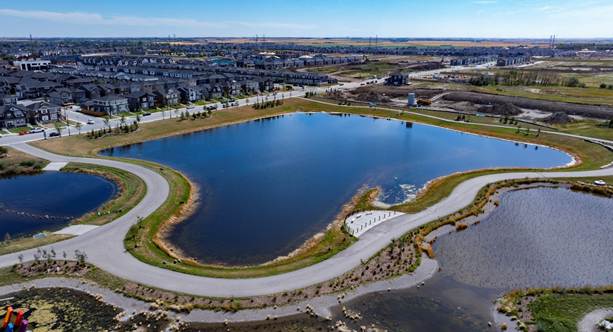
Finally, storm ponds are the larger, visible part of the system. While they may resemble natural ponds or wetlands, they are engineered to filter sediment and contaminants from runoff. As water slows in the pond, sediments settle to the bottom, improving water quality before it continues downstream. Storm ponds also help control flow during heavy rainfall, reducing pressure on underground pipes and lowering the risk of flooding.
5. Electrical Transformers: Design and Durability
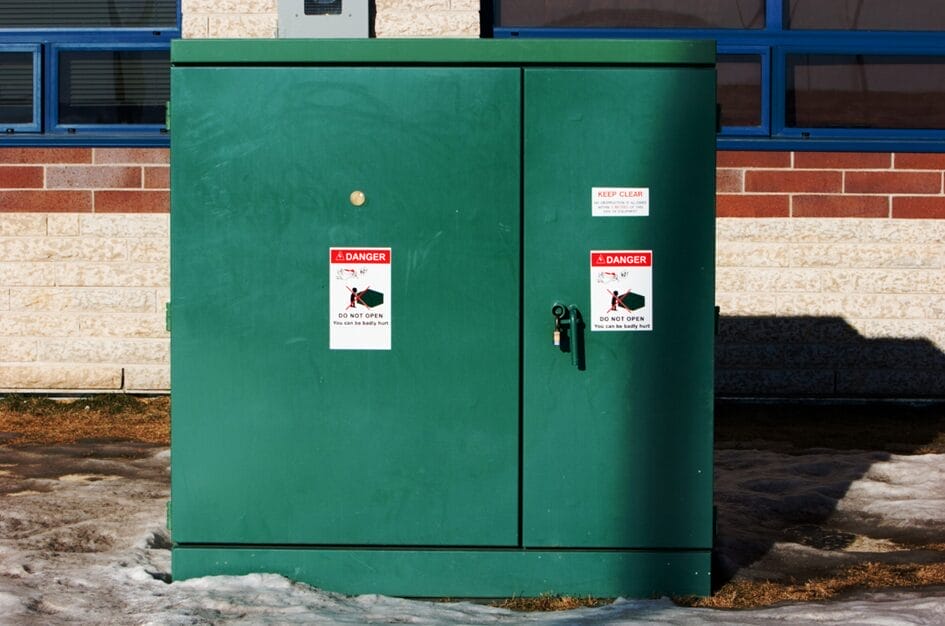
Scattered throughout your community, you might notice green metal boxes—these are electrical transformers, and they play a crucial role in delivering power to homes. They are built to be extremely durable and are specifically designed to function outdoors in all types of weather, including heavy rain and temporary flooding.
Transformers are engineered with sealed, weather-resistant enclosures that prevent water from getting in. They’re built to keep operating safely even during severe storms, which is why most residents continue to have power when there is intense rainfall or flooding. If these transformers weren’t constructed to such high standards, we’d see far more outages during storms.
These units typically have a minimum lifespan of 25 years, and in many Canadian communities, they can last up to 35 years before needing replacement despite the challenges of freeze-thaw cycles, snow, and rain.
If you ever have concerns about a transformer in your area, it’s best to reach out directly to your local electricity provider, who can provide specific information or address any issues.
Residents with concerns on a topic that has not been outlined above, or those that have noted a drainage failure in their community, are encouraged to contact the Developer’s Customer Care team at customercare@qualicocommunities.com.
For Further Reading:
Final Lot Grading – City of Calgary: Lot Grading & Positive Lot Drainage
Storm Ponds – City of Calgary: https://www.calgary.ca/water/stormwater/storm-ponds.html
Alberta New Home Warranty: Alberta New Home Warranty Program
Stormwater Blog: Storm Water – Qualico Communities Calgary