Construction Season: What You Can Expect in a Community Under Construction
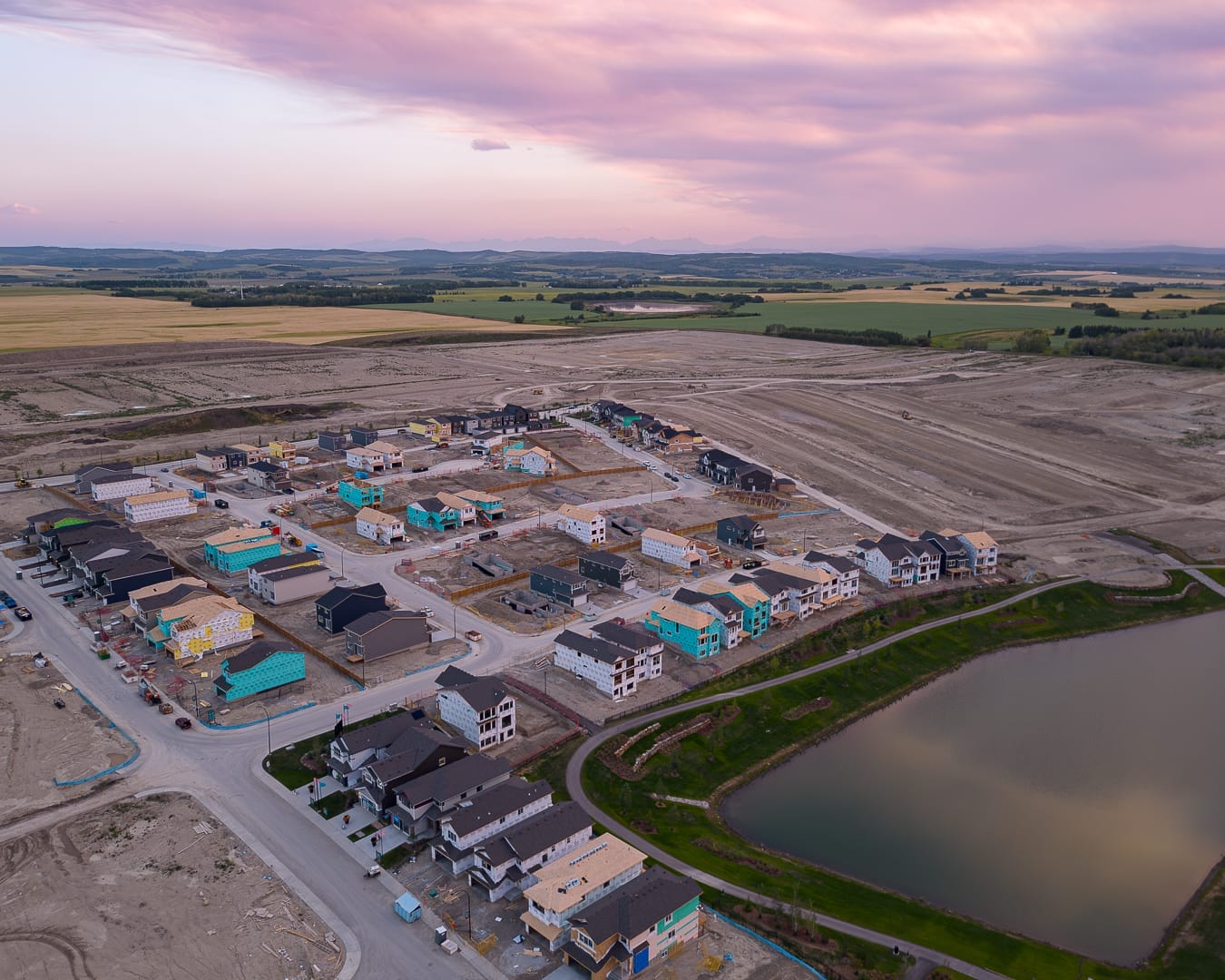
In a growing community, construction doesn’t stop once homes are built. As development continues, residents may see roadwork, infrastructure connections, landscaping, and other construction taking place throughout the neighbourhood.
While these activities can sometimes feel disruptive, they are an important part of completing the community. This blog helps explain some of the common work residents may see during construction season and what to expect while it occurs.
Roads and Roadwork
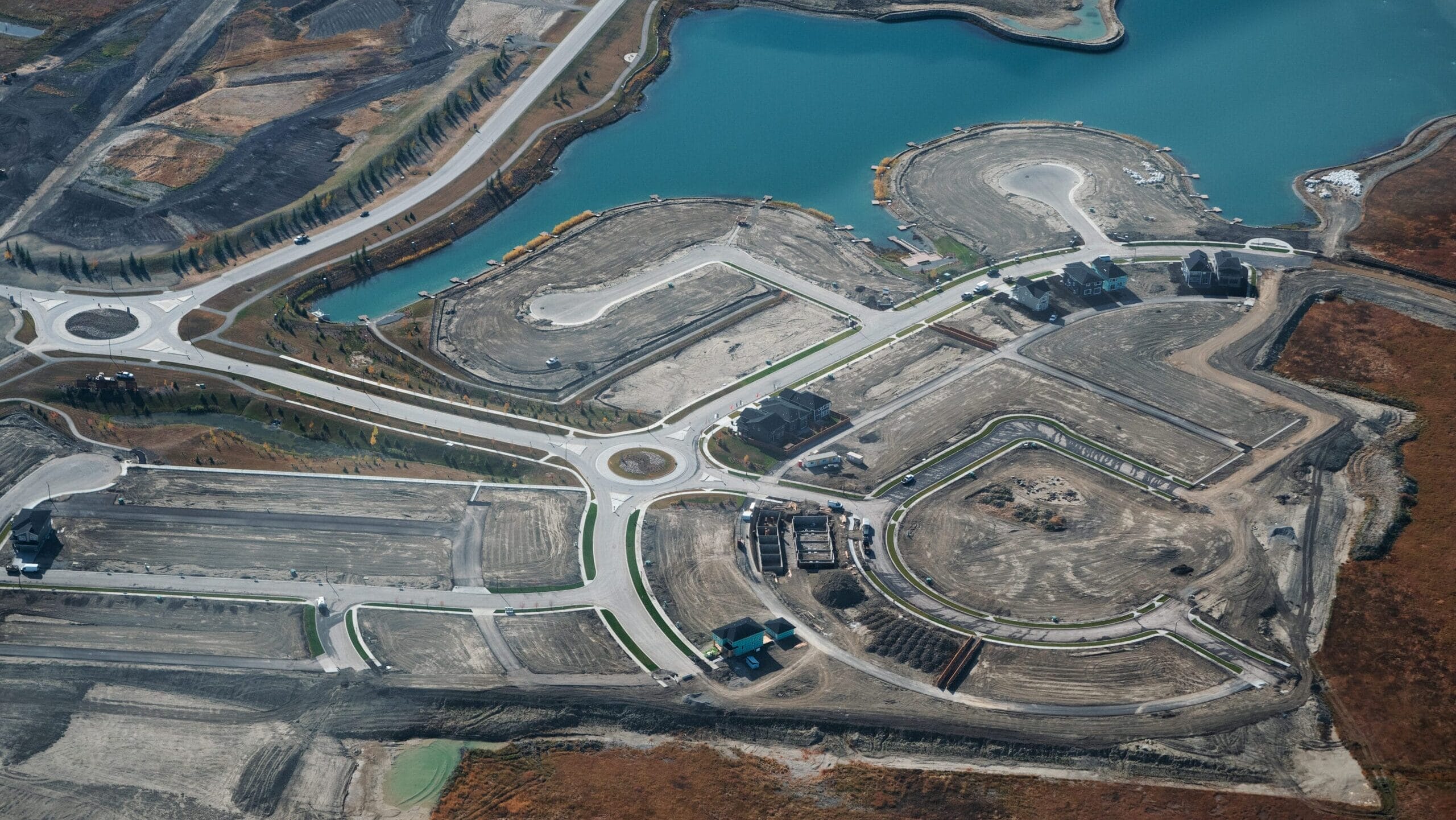
Roadwork happens in stages, and each step is designed to protect the road’s long-term performance. In a new community, developers start by building essential infrastructure like roads so that homes can be constructed and accessed safely. However, if roads were fully completed before homebuilding begins, heavy equipment and constant construction traffic would quickly wear down the final surface and cause unnecessary damage. To help mitigate this, only the first layer of asphalt is installed during the early stages of construction. The final layer is placed later, once the majority of homebuilding and landscaping work in that phase is complete. This final layer of asphalt is called top lift and is something you may see in your new community this season.
When top lift occurs, you will see crews:
- Grinding down existing asphalt to prepare the surface
- Applying bonding treatments
- Laying fresh asphalt to complete the roadway
When this work occurs, please be mindful of:
- Flaggers, crews, and temporary signage in the area
- Closed or restricted roads
- Temporary limited access to your garage or home
- Reduced parking availability and the need to use alternate parking areas when necessary
- Asphalt curing times and the importance of keeping alleys, lanes, driveways, and emergency access routes clear
Top lift work is planned carefully to allow access to homes as much as possible. Crews typically work in sections so residents can still get in and out, although there may be short periods where access is restricted. While the surface is fresh, asphalt oils and tack can transfer onto tires and vehicles, so newly paved roads require time to cure before vehicles can use them. On-site crews and flaggers will help guide traffic safely through the area while work is underway.
Lane Closures and Traffic Changes
During construction season, certain activities — including roadwork such as top lift paving, underground infrastructure work, or connections for future development — may require temporary lane closures. These closures can change normal traffic patterns and may increase traffic in certain areas as vehicles are diverted through detours.
Lane closures are common in communities under development. When this work occurs, you will likely see:
- Temporary signage
- Workers on site
- Reduced speed zones
- Traffic flaggers
- Alternating traffic patterns
Closures and traffic changes can feel disruptive, especially as construction fatigue starts to set in. However, these activities are often part of connecting new infrastructure and supporting future development within the community. While temporary, they are a sign that the community continues to grow and that additional services and amenities are on the way.
Concrete Work: Swales, Sidewalks, and Curbs
Much like the first layer of asphalt, sidewalks and other concrete infrastructure are also installed early in the development process. As construction progresses and homes are built, curbs, sidewalks, and other concrete surfaces can experience damage from construction vehicles and ongoing activity.

When damage occurs, it is typically categorized as either hazardous or non-hazardous. Hazardous concrete is heavily damaged and may pose a risk to safety. These areas are prioritized for repair and are typically addressed two times throughout the construction season, depending on the extent of the damage.
Non-hazardous concrete repairs are generally completed later in the development process, when the developer is preparing to step away from a phase and obtain Final Acceptance Certificate (FAC) from the municipality. As part of this process, municipal representatives will walk the phase with developers and engineers to identify any areas that require repair before the phase can be accepted.
Once these repairs have been identified, residents may see crews working on sidewalks, swales, curbs, and other concrete infrastructure.
During this work, residents may be asked to:
- Keep vehicles out of driveways or garages
- Avoid watering lawns near work areas
- Respect curing times before walking or driving on new concrete
Concrete repairs of this nature are often an indication that construction activity within your phase is nearing completion, and residents will typically begin to see less active construction occurring nearby.
Trees, Boulevards, and Green Spaces

Landscaping and tree planting are some of the most visible (and rewarding) parts of the development process, especially for new homeowners. Now that you’ve moved into your new home, it’s nice to see parks and boulevards come to life. In new communities, plans for tree planting, boulevards, and open spaces are approved years before construction begins.
Parks and open spaces are maintained by the developer until FAC is received from the municipality, typically around 1–2 years after the park or open space has been landscaped.
Even when trees and landscaping are in public right-of-way areas, such as boulevards, residents may be responsible for simple care. Visit our boulevard tree blog to learn what boulevards are, why these trees are planted, and who is responsible for maintaining them.
Noise, Dust, and the Realities of Building
Construction activity can be noisy, dusty, and at times frustrating. Increased traffic, equipment noise, and debris are all common during an active construction season.
Municipal bylaws regulate construction hours and operational standards to help manage disruption. As municipalities are responsible for governing these bylaws, they are often the best resource for residents who have questions or concerns related to construction activity.
Please see the resources below for the municipalities in which Qualico Communities builds:
| Municipality | Noise Bylaw Hours |
| Rocky View County | Monday-Saturday: 7am-10pm Sunday & Holidays: 9am-10pm |
| City of Calgary | Monday-Saturday: 7am-10pm Sunday & Holidays: 9am-10pm |
| Town of Cochrane | Monday-Saturday: 7am-9pm Sunday & Holidays: 9am-8pm |
| City of Chestermere | Monday-Friday: 7am-10pm Saturday-Sunday & Holidays: 9am-10pm |
| City of Airdrie | Monday-Saturday: 7am-10pm Sunday & Holidays: 9am-10pm |
As a developer, Qualico Communities works to keep dust levels at a reasonable level when possible. This may include regular street sweeping or the use of water trucks in areas where stripping and grading activities are occurring. These measures help reduce dust during dry conditions, although some dust is unavoidable during active construction.
Building a Community Takes Time
Throughout the construction of a new community, residents may experience temporary disruptions such as traffic changes, construction noise, or limited access in certain areas. Staying informed through community updates, following signage and crew directions, and planning ahead can help make the season a little easier for everyone.
While construction can sometimes feel inconvenient, it plays an important role in shaping the community around you. From roads and parks, to sidewalks, trees, and underground infrastructure, this work helps transform a new development into a fully built and thriving neighbourhood.
If you have any concerns or questions about this year’s upcoming construction season, please contact our Customer Care team by phone at 403-801-1340 or email customercare@qualicocommunities.com.