

What it means to be a Resident Board Member
Are you interested in becoming a Director/Resident Board Member in your Owners Association, but not quite sure what the role involves? This blog will walk you through what it means to serve on the board, the responsibilities that come with the position, and how your involvement helps shape the future of your community.
What is a Resident Board Member?
A Resident Board Member is a community volunteer who joins the board during the developer-led phase to help guide decisions and prepare for the time when residents will take full ownership of the Association. It’s a transitional role designed to bridge the shift from developer control to a resident-run board.
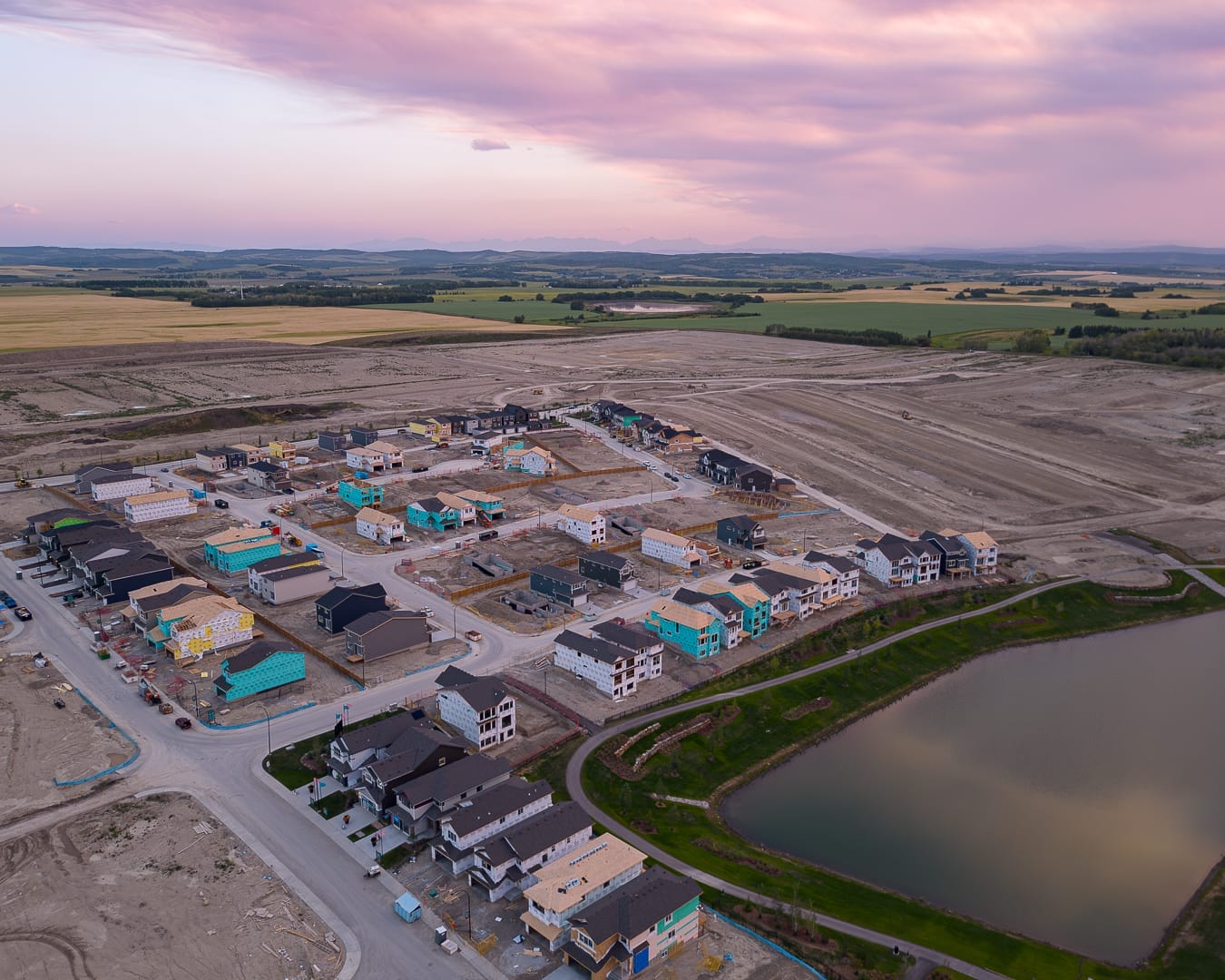
Becoming a Resident Board Member of an Owners Association is a unique opportunity to represent your community while shaping its future. During the developer-controlled phase of the community – when the community is still under active construction – the board is managed by the developer. However, as the community reaches construction completion and turnover approaches, residents are gradually integrated into the board to ensure a smooth transition to a fully resident-run association. Turnover will be explained later in this blog.
What does that mean for you?
For residents, this means having a direct voice in how your community is managed without taking on a full-time commitment. Resident Board Members attend a few meetings each year, provide input on key decisions, and act as a bridge between neighbours and the Association.
As a Resident Board Member, your role primarily involves being a liaison between the residents and the Association. Key responsibilities include attending the annual general meeting (AGM) and 2-3 board meetings each year, reviewing and approving budgets and policies, supporting community events, and ensuring resident concerns are heard. Remaining neutral is essential, as you serve as the voice of fellow residents while balancing the broader interests of the community.
As the developer steps away from running the board, Resident Board Member responsibilities will become more significant, shifting from an advisory and learning role into full decision-making authority over the association’s finances, policies, and long-term direction.
Why do we wait to onboard Resident Board Members?
A developer maintains control of an Association during the early stages of the community to ensure it is properly set up and financially supported. This includes establishing governing documents, funding operations, and laying the foundation for long-term success.
As community construction nears build-out and becomes more self-sustaining, the transition to a resident-managed board begins. During this transition, the developer-run board actively trains and guides resident board members, equipping them with the knowledge and skills needed to manage the Association effectively. After the onboarding and training is completed, the Association is financially stable, well-organized, and ready for resident involvement. This phased approach ensures a smooth transition and allows residents to take control of a well-established and fully functional Association, ready to meet the community’s long-term needs.

What is Turnover?
Turnover is the process of shifting control of the Owners Association board from the developer-led board to a resident-run board. As the development reaches completion, turnover marks the point where residents assume full decision-making authority and oversight of the Association’s operations.
This process is critical for ensuring that the long-term growth and management of the community reflect the priorities and needs of its residents. It is a planned and collaborative process designed to transfer knowledge and responsibilities from the developer board members to the resident board members, ensuring a smooth transition.
What skills are OA boards looking for?
Boards value members with professional skills such as finance, legal knowledge, or governance experience – but just as important are qualities like fairness, collaboration, and a willingness to learn. Passion for your community is often the biggest asset you can bring.
Candidates with experience in not-for-profit organizations, board governance, legal matters, or accounting are well-suited for board positions. Such skill sets will become increasingly valuable as the board is turned over to a resident run board in full resident control. Eventually, the resident board will oversee all aspects of the Association, including:
- Financial Management: Creating budgets, managing finances, handling encumbrance collections, and allocating funds appropriately.
- Maintenance and Beautification: Ensuring proper upkeep and improvements to the community’s shared spaces where the Association is responsible, where applicable.
- Event and Programming Planning: Organizing, running, and communicating community events and programming.
- Strategic Decision-Making: Managing policies and plans that impact the long-term health and growth of the community.
Why Should You Get Involved?
Getting involved as a board member is a unique opportunity to directly influence the future of your community. By serving as a Resident Board Member during and after turnover, you can:
- Play an active role that allows you to represent the interests and concerns of your neighbors, ensuring that resident priorities take center stage in decision-making.
- Gain firsthand experience in board governance, financial oversight, and strategic planning – skills that not only benefit the Association but also offer personal and professional growth.
- Help establish policies, budgets, and initiatives that will guide the community well into the future, aligning with residents’ collective vision.
- Work alongside developer-appointed board members to allow you to build experience before assuming full control.
Being a Resident Board Member is both a responsibility and a privilege, offering a chance to make a meaningful impact on your community’s future while building strong connections with neighbours and learning governance skills that will serve your community well for years to come.